Pathways Project
Blueprint
People are more likely to choose walking, wheeling and cycling when routes are easy to understand, navigate and trust
Despite the proven benefits, active travel has never reached anything close to its full potential. The reason is simple: we’ve never given the mode the coherent, nationwide approach that is needed to signficantly impact behaviour.
The Pathways Project aims to make the make the UK’s pathways visible, reliable and welcoming for everyone.
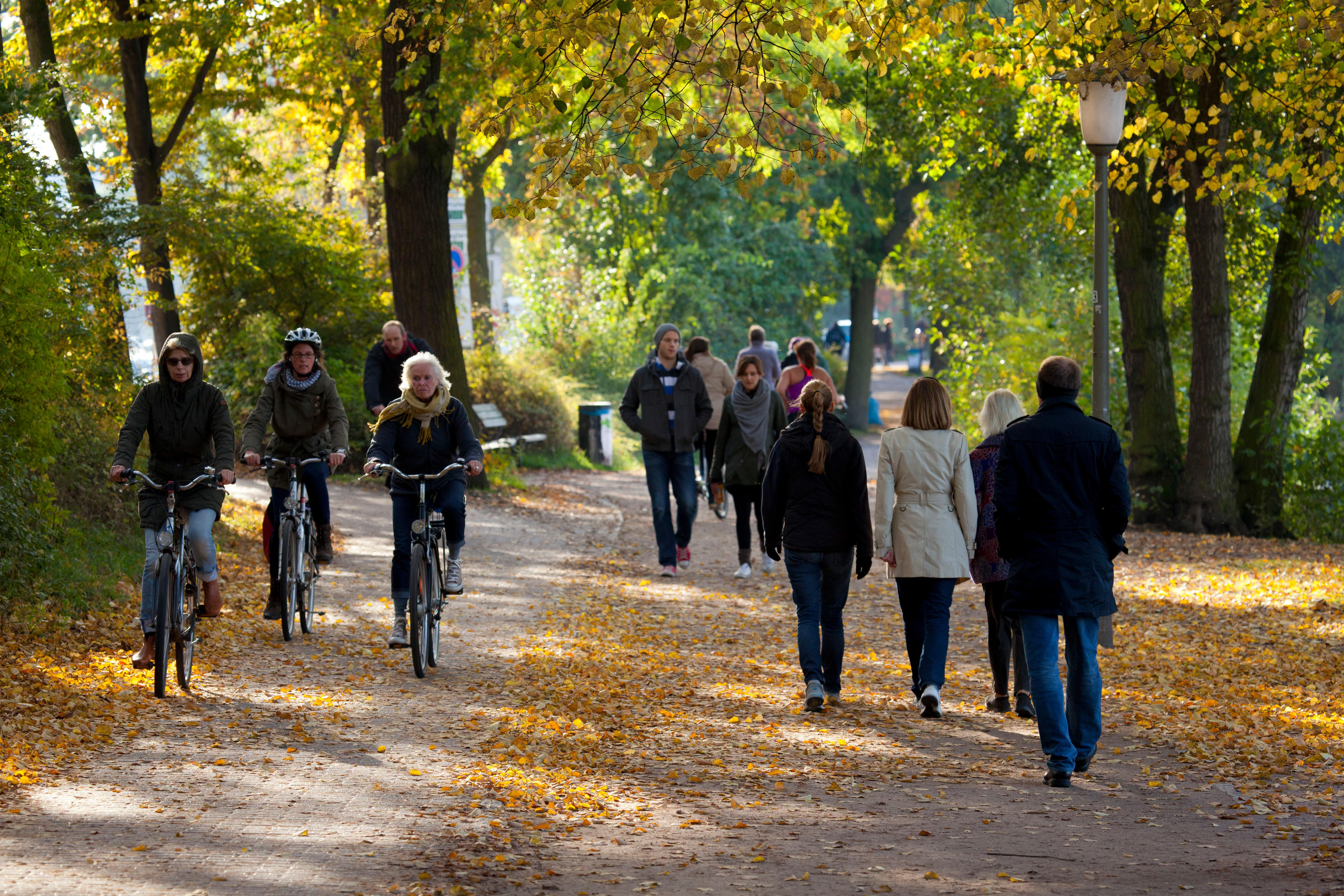
The Pathways Project proposes four interlocking systems. Together they create connected routes, safer streets, confident choices and active lives
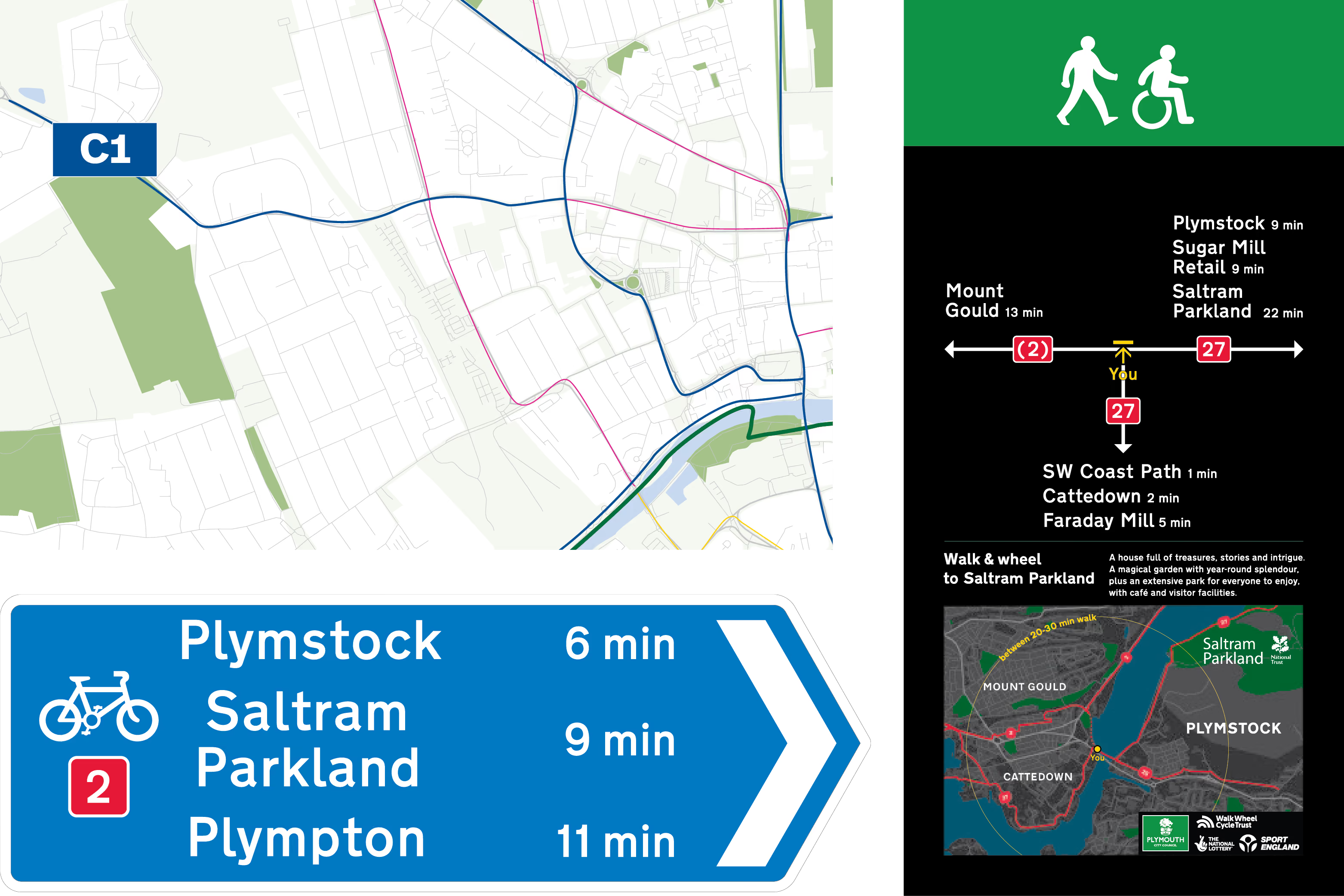
Network system
Turning fragmented paths into a connected, easy-to-follow local networks.
Standardising routes, information and distances, while embracing local character. To make everyday trips feel predictable and familiar.
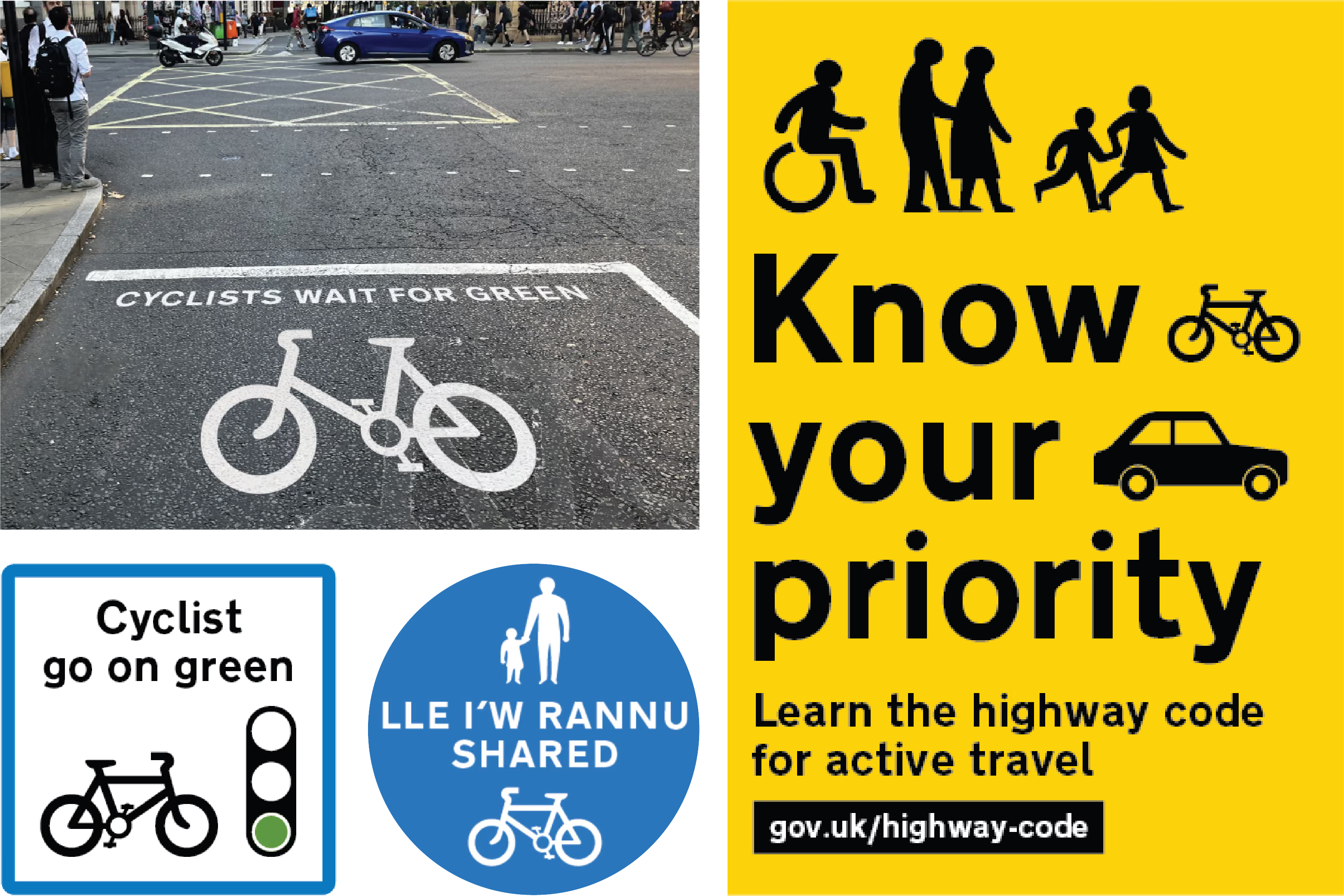
Behavioural system
Helps people understand shared expectations while travelling on pathways.
It translates the Highway Code into smart, ‘fast-thinking’ visual design to encourage cooperative behaviour and mutual respect between pedestrians, wheelers and cyclists.
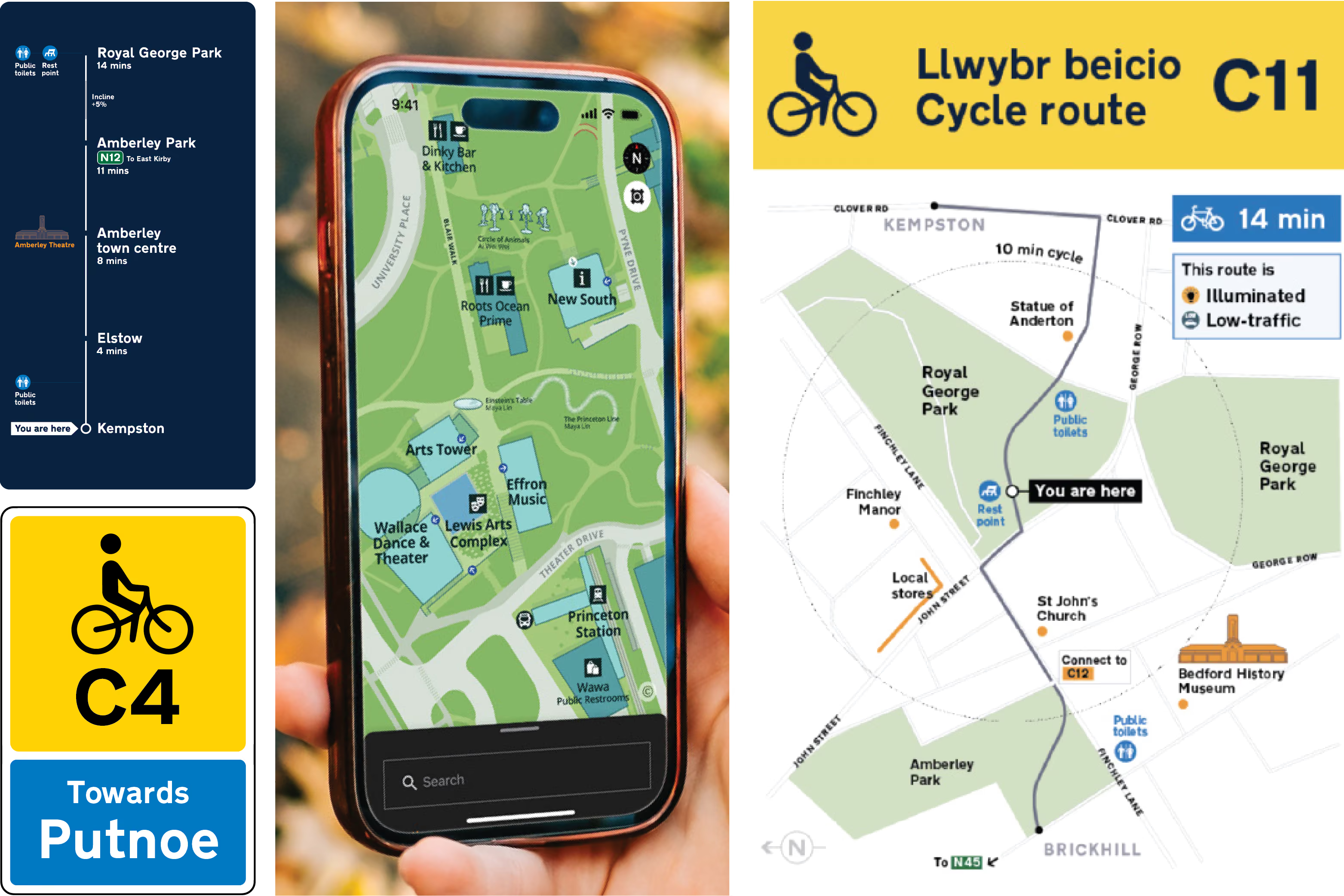
Awareness system
Makes active travel networks visible and meaningful by showing people what is possible in their local areas.
It reinforces mental maps of routes, supports navigation and encourages exploration beyond the pathways people already know.
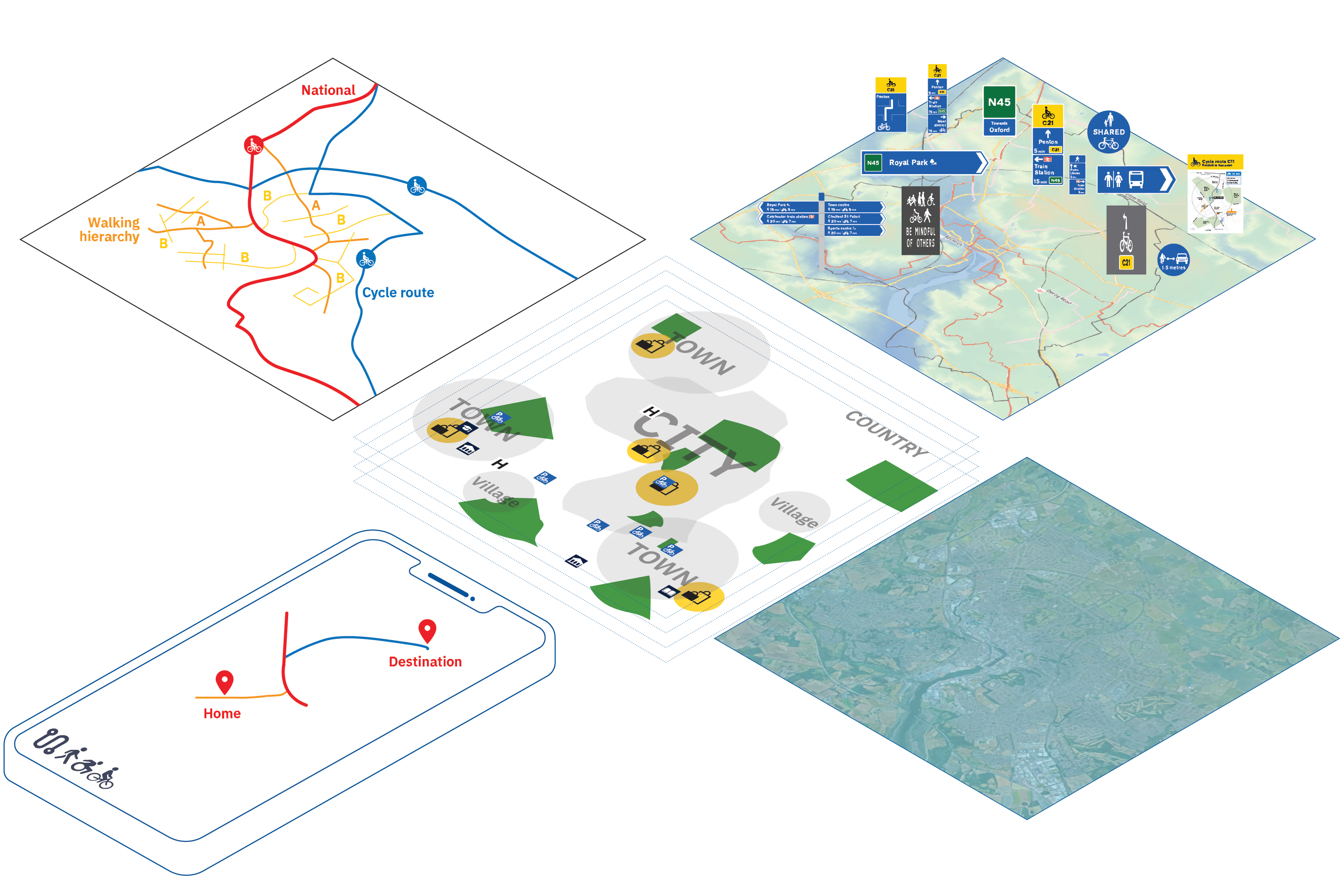
Data system
The invisible infrastructure that keeps wayfinding information consistent across all touchpoints.
Underpinned by a shared open-data framework called the Active Travel Data Specification (ATDS), it will allow councils, planners, mapping platforms and developers to coordinate and share data.
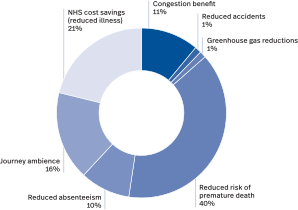
Unlocking billions in wider economic and health benefits
.avif)
.avif)
Pathways Project Blueprint

Pathways Project Business Case
Pathways Project


.png)

.png)